Self-Discovery
You Don't Need to Find Yourself. You Need to Understand Yourself.
What if your purpose isn't something you have to discover somewhere outside of you?
By Javi Garrido
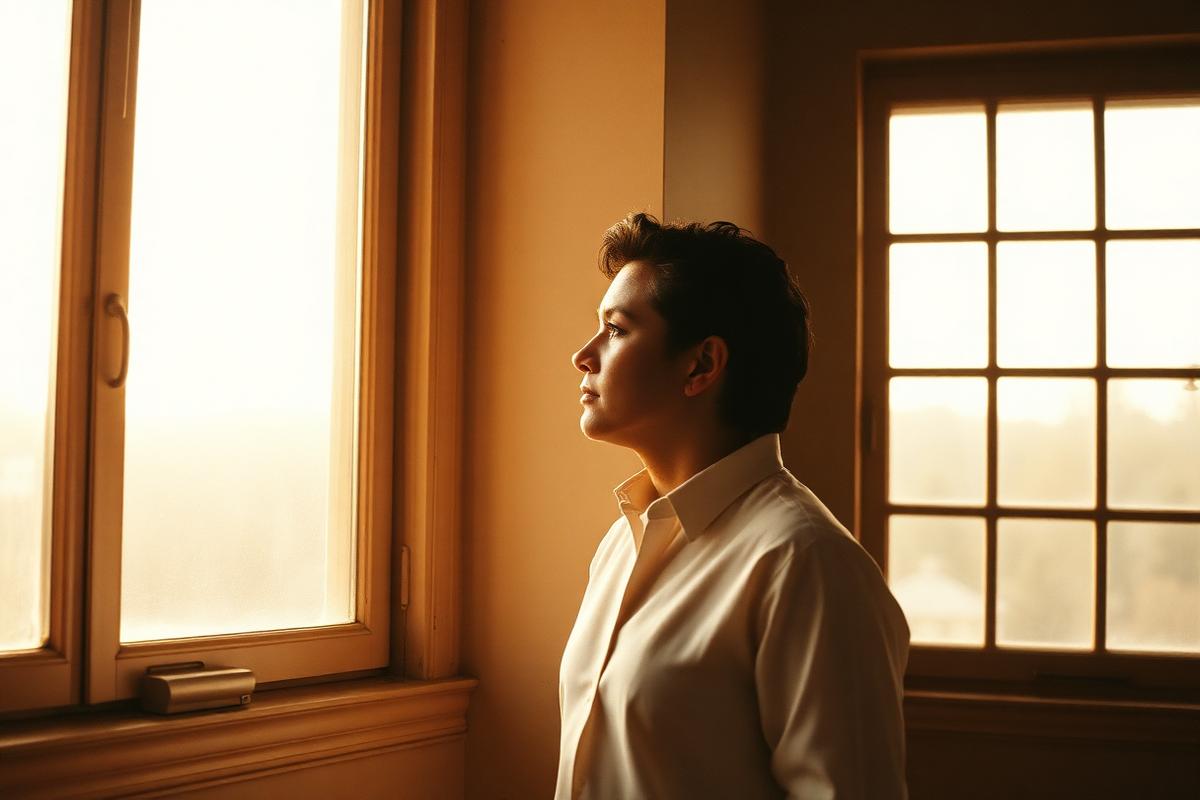
At some point, many of us start asking the same questions. What am I supposed to do with my life? Am I on the right path? What is my purpose? Why do I feel like something is missing?
We look for answers in careers, relationships, achievements, spiritual practices and the opinions of other people. Sometimes we find inspiration. Other times, we end up with even more questions.
The pressure to find your purpose
The idea of finding your purpose can become another expectation. We imagine that somewhere there is one perfect path waiting for us. One career that will make everything make sense. One passion that will give us direction. One version of ourselves that finally feels complete.
And when we don't find it, we start believing we're doing something wrong.
But what if purpose isn't a destination? What if it's something that develops through the way you experience, explore and contribute to life?
You are not a problem to solve
Personal growth can sometimes become an endless project of self-improvement. We identify what we don't like about ourselves and immediately start working to change it. We want to become more confident, more disciplined, more productive, more successful.
There is nothing wrong with wanting to grow. But it's worth asking whether you're growing because you're genuinely curious about your potential or because you feel that who you are right now isn't enough.
You don't have to spend your entire life trying to become an acceptable version of yourself. Sometimes the first step is understanding the person you already are.
Discovering what feels meaningful
Meaning doesn't always arrive as one big revelation. It can emerge through small experiences. The conversations that make you feel alive. The activities that absorb your attention. The questions you keep returning to. The things you naturally want to share with others. The moments when you feel connected to yourself and the world around you.
Instead of forcing yourself to find one answer, start noticing these experiences.
- What gives you energy?
- What are you curious about?
- What do you want to explore even when nobody is asking you to?
- What kind of contribution feels meaningful to you?
Self-knowledge as a starting point
This is where tools like Human Design can become interesting. Your chart offers a framework to explore your energy, decision-making process, natural tendencies and potential areas of conditioning.
It doesn't tell you what your purpose must be. It can, however, give you new questions to explore and a different perspective on how you navigate life.
And when we combine this with approaches such as Lyognosis, we can also explore limitations that may be influencing how we experience ourselves and our possibilities. The intention isn't to give you a fixed answer. It's to create space for a more personal exploration.
Your path can evolve
You are allowed to change your mind. You are allowed to discover new interests at 25, 37 or 60. You are allowed to build a life that combines different passions, experiences and ways of contributing.
Your purpose doesn't have to fit into one job title or one identity. Maybe it is something you express differently throughout different chapters of your life.
You don't need to have the whole picture before taking the next step. Start by paying attention to what feels meaningful now.
You don't need to find a perfect version of yourself. You can build a life that feels more like your own, one choice at a time.
A question to take with you
If you stopped trying to figure out what you're supposed to do with your life, what would you feel curious to explore next? Let that question stay with you.